Posts

Analytics & Data-Driven Marketing: An In-Depth Guide

Introduction to Analytics & Data-Driven Marketing

Analytics and data-driven marketing involve using data analysis to inform marketing decisions and strategies. By leveraging data, businesses can better understand customer behavior, preferences, and trends, allowing for more targeted and effective marketing campaigns. This approach goes beyond traditional marketing by emphasizing measurable results and continuous optimization based on data insights.

In today's digital landscape, data is generated from numerous sources, including social media, websites, email campaigns, and customer interactions. By collecting, analyzing, and interpreting this data, marketers can make informed decisions that enhance customer engagement, improve ROI, and drive business growth.

This guide will explore the benefits of data-driven marketing, how to collect and manage data, essential tools for data analysis, strategies for developing data-driven marketing plans, and methods for measuring and analyzing marketing performance. By the end of this article, you will have a comprehensive understanding of how to leverage analytics to optimize your marketing efforts.

Benefits of Data-Driven Marketing

Data-driven marketing offers numerous benefits, starting with enhanced targeting and personalization. By analyzing customer data, businesses can create highly targeted campaigns that resonate with specific audience segments. This level of personalization increases the likelihood of engagement and conversions.

Another key benefit is improved decision-making. Data-driven insights enable marketers to make informed decisions based on concrete evidence rather than intuition. This leads to more effective marketing strategies and a higher return on investment.

Additionally, data-driven marketing allows for continuous optimization. By regularly analyzing performance data, marketers can identify what is working and what isn't, making necessary adjustments to improve results. This iterative process leads to more efficient and successful marketing campaigns over time.

Collecting and Managing Data

Collecting and managing data is a critical aspect of data-driven marketing. The first step is to identify the types of data you need, such as demographic information, purchase history, website behavior, and social media interactions. This data can be collected from various sources, including CRM systems, web analytics tools, social media platforms, and customer surveys.

Once collected, it's important to store and manage the data effectively. Use a centralized database or data management platform to organize and maintain your data. Ensure that your data is clean, accurate, and up-to-date by regularly auditing and updating your database.

Data privacy and security are also paramount. Implement measures to protect customer data, comply with relevant regulations (such as GDPR or CCPA), and ensure that your data collection practices are transparent and ethical. Building trust with your customers through responsible data management is essential for long-term success.

Essential Tools for Data-Driven Marketing

Several tools can help marketers collect, analyze, and interpret data. Web analytics tools, such as Google Analytics, provide insights into website traffic, user behavior, and conversion rates. These tools are essential for understanding how visitors interact with your site and identifying areas for improvement.

Customer Relationship Management (CRM) systems, like Salesforce and HubSpot, are valuable for managing customer data and tracking interactions across different touchpoints. CRMs help businesses maintain a comprehensive view of their customers, enabling personalized marketing and improved customer relationships.

Marketing automation platforms, such as Marketo and Mailchimp, streamline campaign management and provide analytics on email performance, lead generation, and customer engagement. These tools allow marketers to automate repetitive tasks and focus on strategy and optimization.

Developing Data-Driven Marketing Strategies

Developing a data-driven marketing strategy begins with setting clear objectives. Determine what you want to achieve, whether it's increasing brand awareness, driving sales, or improving customer retention. Your objectives will guide your data collection and analysis efforts.

Next, segment your audience based on the data you have collected. Create detailed buyer personas to understand the needs, preferences, and behaviors of different customer groups. This segmentation allows you to tailor your marketing messages and offers to each specific audience.

Implement personalized marketing campaigns that address the unique needs of each segment. Use data insights to craft relevant and engaging content, optimize your marketing channels, and deliver the right message at the right time. Continuously monitor and analyze the performance of your campaigns to make data-driven adjustments and improve outcomes.

Measuring and Analyzing Marketing Performance

Measuring and analyzing marketing performance is crucial for understanding the effectiveness of your data-driven marketing efforts. Key performance indicators (KPIs) such as conversion rates, customer acquisition cost, and return on marketing investment (ROMI) provide valuable insights into the success of your campaigns.

Use analytics tools to track and measure these KPIs. For example, Google Analytics can provide detailed reports on website traffic, user behavior, and conversion paths. CRM systems can offer insights into customer interactions and sales performance, while marketing automation platforms can track email engagement and lead generation.

Regularly review your data to identify trends and patterns. Analyze what is working well and what needs improvement. Use A/B testing to compare different marketing tactics and determine which ones yield the best results. By continuously measuring and analyzing your performance, you can optimize your strategies and achieve better outcomes.
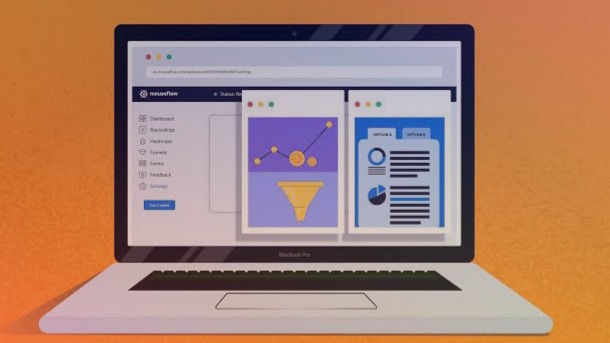
Conversion Rate Optimization (CRO): An In-Depth Guide

Introduction to Conversion Rate Optimization

Conversion Rate Optimization (CRO) is the systematic process of increasing the percentage of website visitors who take a desired action, whether it’s making a purchase, filling out a form, or signing up for a newsletter. By optimizing your website for conversions, you can maximize the value of your existing traffic and improve your overall marketing ROI.

CRO involves understanding how users navigate your site, what actions they take, and what obstacles prevent them from completing your goals. By using data and user feedback, you can identify areas for improvement and implement changes that enhance user experience and drive more conversions.

In this comprehensive guide, we will explore the benefits of CRO, techniques for enhancing user experience, the importance of A/B testing and multivariate testing, methods for data analysis, and best practices to ensure your CRO efforts are effective. By the end of this article, you will have a thorough understanding of how to leverage CRO to achieve your business objectives.

Benefits of Conversion Rate Optimization

One of the primary benefits of CRO is improved ROI. By increasing the conversion rate of your existing traffic, you can generate more revenue without spending more on acquiring new visitors. This makes CRO a cost-effective way to boost your marketing performance.

CRO also enhances user experience by making it easier and more intuitive for visitors to navigate your site and complete desired actions. A better user experience can lead to higher customer satisfaction, increased trust in your brand, and more repeat business.

Additionally, CRO provides valuable insights into user behavior. By analyzing how visitors interact with your site, you can gain a deeper understanding of their needs and preferences. This data can inform your overall marketing strategy and help you make data-driven decisions that drive growth.

Enhancing User Experience (UX)

Enhancing user experience is a critical aspect of CRO. Start by ensuring that your website is easy to navigate and that visitors can find the information they need quickly and easily. A clear and logical site structure, intuitive navigation menus, and a well-organized layout can significantly improve user experience.

Pay attention to the design and functionality of your calls-to-action (CTAs). CTAs should be prominently displayed, clearly worded, and visually appealing. Use contrasting colors to make them stand out and place them strategically throughout your site to guide visitors towards conversion.

Load speed is another crucial factor in user experience. A slow-loading site can frustrate visitors and lead to high bounce rates. Optimize your website's performance by compressing images, using a content delivery network (CDN), and minimizing the use of heavy scripts. Ensuring your site is mobile-friendly is also essential, as more users are accessing websites via mobile devices.

A/B Testing and Multivariate Testing

A/B testing and multivariate testing are essential techniques in CRO. A/B testing involves comparing two versions of a web page or element to determine which one performs better. By testing different variations, you can identify the most effective design, copy, or layout for driving conversions.

Start with A/B testing your CTAs, headlines, images, and other key elements. Use a testing tool, such as Google Optimize or Optimizely, to create and manage your tests. Ensure that you run the tests for a sufficient duration to gather meaningful data and avoid making decisions based on inconclusive results.

Multivariate testing is more complex and involves testing multiple variables simultaneously to see how different combinations affect conversion rates. This approach can provide deeper insights into how various elements interact with each other and help you identify the optimal combination for maximum impact.

Data Analysis and Interpretation

Data analysis is a critical component of CRO. Use web analytics tools, such as Google Analytics, to track key metrics like bounce rate, average session duration, and conversion rate. Analyze this data to identify patterns and trends that can inform your optimization efforts.

Look for pages with high exit rates or low conversion rates, as these may indicate areas where users are encountering obstacles. Use heatmaps and session recordings to see how visitors interact with your site and identify potential issues with usability or design.

Combine quantitative data with qualitative insights from user surveys, feedback forms, and usability testing. This can provide a more complete picture of user behavior and help you understand the reasons behind the data. By interpreting your findings accurately, you can make informed decisions that drive meaningful improvements.

Best Practices for CRO

Implementing best practices for CRO can help ensure your optimization efforts are effective. Start by defining clear goals and KPIs for your CRO initiatives. This will help you stay focused and measure the success of your efforts.

Prioritize your optimization efforts by focusing on high-impact areas first. Use the Pareto principle (80/20 rule) to identify the 20% of changes that will deliver 80% of the results. This can help you achieve significant improvements with minimal effort.

Continuously test and iterate. CRO is not a one-time effort but an ongoing process of testing, learning, and optimizing. Regularly review your data, run new tests, and make incremental improvements. Stay up-to-date with the latest CRO trends and techniques to keep your optimization strategies fresh and effective.

Social Media Marketing: An In-Depth Guide

-

Introduction to Social Media Marketing

Social media marketing is a powerful tool for businesses of all sizes to reach prospects and customers. People discover, learn about, follow, and shop from brands on social media, so if you're not on platforms like Facebook, Instagram, and LinkedIn, you're missing out! Great marketing on social media can bring remarkable success to your business, creating devoted brand advocates and even driving leads and sales.

At its core, social media marketing is the use of social media platforms to connect with your audience to build your brand, increase sales, and drive website traffic. This involves publishing great content on your social media profiles, listening to and engaging your followers, analyzing your results, and running social media advertisements. The major social media platforms are Facebook, Instagram, Twitter, LinkedIn, Pinterest, YouTube, and Snapchat.

Social media marketing also involves strategic and targeted actions to achieve specific business goals. It’s not just about having a presence on social media; it's about strategically positioning your brand to take advantage of the unique opportunities each platform offers. This involves understanding your audience, setting clear goals, and using data-driven insights to guide your efforts.

Effective Strategies for Social Media Marketing

Developing a social media marketing strategy involves setting goals, determining the metrics you'll use to measure your success, and understanding who your audience is. It's crucial to align your social media goals with your broader business objectives. For instance, if your goal is to increase brand awareness, you'll focus on metrics such as reach and impressions.

Content creation is another essential strategy. Your content should be tailored to the interests and needs of your audience. This means creating a mix of content types, such as blog posts, infographics, videos, and user-generated content, to keep your audience engaged. Regular posting schedules and a content calendar can help ensure consistency and relevance.

Engagement with your audience is critical. Social media is not just a broadcast channel; it's a place for two-way conversations. Respond to comments, participate in discussions, and show that there's a human behind your brand. Engagement not only helps to build relationships but also improves your visibility on social media algorithms, which can lead to greater reach.

Tools and Platforms for Social Media Marketing

There are numerous tools available to help streamline and optimize your social media marketing efforts. Scheduling tools like Hootsuite and Buffer allow you to plan and automate your posts, ensuring a consistent presence even when you're not online. These tools also offer analytics features to track your performance.

Analytics tools such as Google Analytics, Facebook Insights, and Twitter Analytics provide in-depth data on how your content is performing. These insights can help you understand what works and what doesn't, allowing you to refine your strategy and improve your results over time.

Social listening tools like Mention and Brandwatch help you monitor and analyze what people are saying about your brand and industry on social media. This can provide valuable insights into your audience's needs and preferences, as well as help you manage your online reputation by allowing you to respond quickly to negative feedback.

Measuring Success in Social Media Marketing

Measuring the success of your social media marketing efforts is essential to understanding their impact and improving your strategy. Key performance indicators (KPIs) such as reach, engagement, and conversion rates can provide insights into how well your content is resonating with your audience.

Reach measures how many people have seen your content, while engagement looks at how people interact with it through likes, comments, shares, and clicks. Conversion rates, on the other hand, track how many people take a desired action, such as making a purchase or signing up for a newsletter, after interacting with your content.

Regularly reviewing these metrics can help you identify trends and patterns in your audience's behavior, allowing you to adjust your strategy accordingly. Additionally, A/B testing different types of content and posting times can help you determine what works best for your audience, leading to more effective social media marketing campaigns.

Influencer Marketing: An In-Depth Guide

Introduction to Influencer Marketing

Influencer marketing is a form of social media marketing that involves endorsements and product placements from influencers—individuals who have a dedicated social following and are viewed as experts within their niche. Influencer marketing works because of the high amount of trust that social influencers have built up with their following, and recommendations from them serve as a form of social proof to your brand’s potential customers.

This marketing approach leverages the reach and credibility of influencers to promote brands and products to a wider and more targeted audience. Influencers can be found on various platforms, including Instagram, YouTube, TikTok, and blogs. By collaborating with influencers, brands can tap into niche communities and build authentic relationships with consumers.

In this comprehensive guide, we will explore the benefits of influencer marketing, the different types of influencers, how to find the right influencers for your brand, steps to create an effective influencer marketing strategy, and methods for measuring and optimizing campaign performance. By the end of this article, you will have a thorough understanding of how to leverage influencer marketing to achieve your business objectives.

Benefits of Influencer Marketing

One of the primary benefits of influencer marketing is its ability to reach a highly targeted audience. Influencers have built strong relationships with their followers, who trust their opinions and recommendations. When an influencer endorses a product, it comes with a sense of authenticity and credibility that traditional advertising often lacks.

Influencer marketing can also significantly increase brand awareness. By collaborating with influencers who have a large and engaged following, brands can expose their products to new audiences who may not have been reached through other marketing channels. This increased visibility can lead to higher engagement and more conversions.

Additionally, influencer marketing can enhance your content strategy. Influencers are skilled content creators who can produce high-quality photos, videos, and blog posts that showcase your products in an authentic and appealing way. This user-generated content can be repurposed across your own marketing channels, adding value to your overall content strategy.

Types of Influencers

Influencers can be categorized based on their follower count, niche, and the platforms they use. The main types of influencers are:

1. Mega-Influencers: These are influencers with over a million followers. They are often celebrities and have a massive reach, but their engagement rates may be lower compared to smaller influencers. Collaborating with mega-influencers can be expensive, but it can also provide significant exposure for your brand.

2. Macro-Influencers: These influencers have between 100,000 and 1 million followers. They are usually well-known in their niche and have a large, engaged audience. Macro-influencers can provide a good balance of reach and engagement.

3. Micro-Influencers: These influencers have between 10,000 and 100,000 followers. They often have a highly engaged audience and are considered experts in their specific niche. Micro-influencers can be more cost-effective and offer higher engagement rates than larger influencers.

4. Nano-Influencers: These influencers have fewer than 10,000 followers but boast high engagement rates within their small, dedicated communities. Collaborating with nano-influencers can be very cost-effective and can create authentic connections with niche audiences.

Finding the Right Influencers

Finding the right influencers for your brand involves identifying individuals who align with your brand values and have an audience that matches your target market. Start by researching influencers in your industry using social media platforms, influencer databases, and marketing tools like BuzzSumo and HypeAuditor.

Evaluate potential influencers based on their engagement metrics, such as likes, comments, shares, and follower growth. High engagement indicates that their audience is active and interested in their content. Additionally, review their previous collaborations and the quality of their content to ensure they maintain a high standard of professionalism.

It’s also important to consider the influencer’s authenticity and credibility. Look for influencers who are genuine in their interactions with followers and whose content aligns with your brand values. Authenticity is key to building trust with your audience and ensuring the success of your influencer marketing campaigns.

Creating an Influencer Marketing Strategy

Creating an effective influencer marketing strategy involves several key steps, starting with defining your goals and objectives. Determine what you want to achieve with your campaign, whether it’s increasing brand awareness, driving traffic, or boosting sales. Your goals will guide your strategy and help you measure success.

Next, identify the key performance indicators (KPIs) that will help you measure the success of your campaign. These may include metrics like reach, engagement, website traffic, and conversions. Setting clear KPIs will help you track progress and optimize your strategy for better results.

Develop a content plan that outlines the type of content you want influencers to create, the messaging you want to convey, and the platforms you want to target. Provide influencers with creative freedom while ensuring their content aligns with your brand guidelines. Clear communication and collaboration are essential to creating content that resonates with both the influencer’s audience and your brand’s objectives.

Measuring and Optimizing Campaign Performance

Measuring the performance of your influencer marketing campaigns is essential for understanding their effectiveness and making data-driven optimizations. Use tracking tools and analytics platforms to monitor your KPIs and gather insights into how your campaigns are performing.

Regularly review the data to identify trends and patterns. Look for content that generated high engagement or drove significant traffic and analyze what made it successful. Use these insights to refine your strategy and improve future campaigns.

Continuous testing and optimization are key to maximizing the success of your influencer marketing efforts. Experiment with different types of content, influencers, and platforms to see what works best. A/B testing different approaches can help you determine the most effective tactics for your brand. Additionally, focus on building long-term relationships with influencers. Regularly communicate with them, offer feedback, and provide ongoing support. A strong influencer network is built on trust and collaboration, so invest time in nurturing these relationships to create a loyal and motivated team of brand advocates.

marketing Automation: An In-Depth Guide

Introduction to Marketing Automation

Marketing automation refers to the use of software and technology to automate repetitive marketing tasks, streamline processes, and improve the efficiency of marketing campaigns. By automating tasks such as email marketing, social media posting, and lead nurturing, businesses can save time, reduce human error, and deliver more personalized and timely communications to their customers.

Marketing automation tools are designed to handle various aspects of marketing, including customer segmentation, campaign management, analytics, and reporting. These tools enable marketers to create more targeted and effective campaigns by leveraging data and insights to tailor their messaging to individual customers and prospects.

In this comprehensive guide, we will explore the benefits of marketing automation, key features of automation tools, steps for implementing marketing automation, best practices to maximize its effectiveness, and methods for measuring the success of your automation efforts. By the end of this article, you will have a thorough understanding of how to leverage marketing automation to achieve your business objectives.

Benefits of Marketing Automation

One of the primary benefits of marketing automation is increased efficiency. By automating repetitive tasks, marketers can focus on more strategic activities, such as campaign planning and analysis. This leads to better time management and higher productivity.

Marketing automation also enhances personalization. By using data to segment audiences and tailor messages, businesses can deliver more relevant and engaging content to their customers. This personalized approach can lead to higher engagement rates, increased customer satisfaction, and improved conversion rates.

Additionally, marketing automation provides valuable insights into campaign performance. With built-in analytics and reporting features, marketers can track key metrics, identify trends, and make data-driven decisions. This allows for continuous optimization and better alignment with business goals.

Key Features of Marketing Automation Tools

Marketing automation tools come with a variety of features designed to streamline marketing efforts and improve campaign effectiveness. Some key features include:

Email Marketing Automation: Automate the creation, scheduling, and sending of email campaigns. Use triggers, such as user actions or behaviors, to send personalized emails at the right time.

Lead Management: Track and manage leads throughout the customer journey. Use lead scoring to prioritize high-quality leads and ensure timely follow-up by the sales team.

Customer Segmentation: Segment your audience based on demographics, behaviors, and preferences. This allows for more targeted and relevant messaging.

Social Media Automation: Schedule and publish social media posts across multiple platforms. Monitor social media activity and engage with your audience in real-time.

Analytics and Reporting: Track the performance of your campaigns with detailed analytics and reports. Measure key metrics, such as open rates, click-through rates, and conversion rates, to understand what is working and what needs improvement.

Implementing Marketing Automation

Implementing marketing automation involves several steps, starting with selecting the right tool for your business. Consider factors such as your budget, business size, and specific marketing needs when choosing a platform. Popular marketing automation tools include HubSpot, Marketo, Pardot, and Mailchimp.

Once you have selected a tool, the next step is to integrate it with your existing systems, such as your CRM and email marketing platform. Ensure that all data is synced and accessible for seamless automation.

Develop a clear plan for your automation efforts. Define your goals, target audience, and the specific tasks you want to automate. Create workflows and triggers that will guide your automation processes. Start with simple automation tasks and gradually expand as you become more comfortable with the platform.

Best Practices for Marketing Automation

To maximize the effectiveness of your marketing automation efforts, follow these best practices:

1. Set Clear Goals: Define what you want to achieve with your marketing automation, whether it’s increasing lead generation, improving customer retention, or boosting sales. Clear goals will guide your strategy and help you measure success.

2. Segment Your Audience: Use data to segment your audience and create targeted campaigns. Tailor your messaging to the specific needs and preferences of each segment to increase relevance and engagement.

3. Personalize Your Content: Use personalization to make your communications more relevant and engaging. Personalize emails with the recipient’s name, recommend products based on past purchases, and send targeted offers based on user behavior.

4. Test and Optimize: Regularly test different aspects of your campaigns, such as subject lines, CTAs, and content. Use A/B testing to determine what works best and make data-driven optimizations to improve performance.

5. Monitor and Analyze: Continuously monitor the performance of your automation efforts. Use analytics to track key metrics and identify areas for improvement. Make adjustments based on data to ensure your campaigns are effective.

Measuring the Success of Marketing Automation

Measuring the success of your marketing automation efforts is essential for understanding their impact and making informed decisions. Key metrics to track include:

1. Open Rates: The percentage of recipients who open your emails. This metric indicates how effective your subject lines and email timing are.

2. Click-Through Rates (CTR): The percentage of recipients who click on links within your emails. CTR measures the effectiveness of your email content and CTAs.

3. Conversion Rates: The percentage of visitors who complete a desired action, such as making a purchase or filling out a form. Conversion rates indicate the overall effectiveness of your campaigns.

4. Lead Scoring: Assigning scores to leads based on their behavior and engagement. Lead scoring helps prioritize high-quality leads for follow-up by the sales team.

5. ROI: Calculate the return on investment for your marketing automation efforts by comparing the revenue generated to the costs incurred. This metric provides a clear picture of the financial impact of your campaigns.

Regularly review these metrics and use them to inform your strategy. Make data-driven adjustments to optimize your campaigns and achieve better results.

Effective Email Marketing Strategies for Restaurants: A Comprehensive Guide

In today's digital age, email marketing has become a vital tool for restaurants looking to connect with their customers and drive sales. With the ability to reach a large audience at a relatively low cost, email marketing offers a direct and personal way to engage with diners and promote your restaurant's offerings. In this comprehensive guide, we will explore the strategies and best practices for implementing successful email marketing campaigns for restaurants.

Building Your Email List: Tips and Strategies

Building a strong email list is the first step in successful email marketing for your restaurant. Start by collecting email addresses from customers at the point of sale, through online reservations, and on your restaurant's website. Offer incentives such as discounts or special promotions in exchange for signing up for your email list. You can also utilize social media platforms to drive sign-ups by promoting exclusive offers to your followers.

Crafting Engaging Email Content for Your Customers

Once you have built your email list, it's important to create content that will engage your customers and keep them interested in your restaurant. Share updates about new menu items, upcoming events, and special promotions. Include mouth-watering images of your dishes and encourage customers to visit your restaurant by offering limited-time discounts or deals.

Personalizing Your Emails for Maximum Impact

Personalization is key to making your email marketing campaigns more effective. Address your customers by their first names in your emails and segment your email list based on demographics or past order history. By tailoring your content to the preferences of your customers, you can increase engagement and drive more traffic to your restaurant.

Designing Eye-Catching Email Templates

The design of your email templates plays a crucial role in capturing the attention of your recipients. Use visually appealing graphics and colors that align with your restaurant's branding. Keep your layouts clean and easy to read, and make sure your call-to-action buttons are prominent. Test different designs to see what resonates best with your audience.

Best Practices for Email Subject Lines

Your email subject line is the first thing that recipients see, so it's important to make it compelling and enticing. Use catchy language that sparks curiosity or offers a clear benefit to the reader. Keep your subject lines concise and to the point, and avoid using all caps or spammy language that could trigger spam filters.

Optimizing Timing and Frequency of Email Campaigns

Finding the right balance between the timing and frequency of your email campaigns is crucial for success. Experiment with different send times to see when your audience is most responsive. Avoid bombarding your subscribers with too many emails, as this can lead to unsubscribes. Instead, focus on delivering valuable content that keeps your customers engaged.

Leveraging Automation for Efficient Email Marketing

Automation tools can help streamline your email marketing efforts and save you time. Set up automated workflows to send welcome emails to new subscribers, birthday promotions to loyal customers, and follow-up emails after a customer visit. By automating these processes, you can ensure that your customers receive timely and relevant communications from your restaurant.

Tracking and Analyzing Email Performance Metrics

Measuring the performance of your email campaigns is essential for understanding what is resonating with your audience and what can be improved. Track metrics such as open rates, click-through rates, and conversion rates to gauge the effectiveness of your emails. Use this data to refine your strategies and optimize future campaigns for better results.

Growing Your Restaurant's Revenue with Email Marketing

Email marketing can be a powerful tool for driving revenue for your restaurant. By promoting special offers, events, and new menu items to your email list, you can incentivize customers to visit your restaurant and make repeat purchases. Use email marketing to build loyalty among your customers and encourage them to become regular patrons of your establishment.

Case Studies: Successful Email Marketing Campaigns

Looking at real-life examples of successful email marketing campaigns can provide valuable insights into what works in the restaurant industry. Study how other restaurants have used email marketing to increase customer engagement, drive traffic, and boost sales. Learn from their strategies and apply similar tactics to your own email campaigns.

In conclusion, email marketing is a highly effective tool for restaurants to connect with customers, drive sales, and build loyalty. By implementing the strategies and best practices outlined in this guide, you can create engaging email campaigns that resonate with your audience and drive results for your restaurant. Remember to continuously test and optimize your campaigns based on performance data to ensure long-term success with email marketing.

Importance of Tracking Email Marketing Metrics for Business Success

Email marketing is a powerful tool for businesses to connect with their audience and drive conversions. However, to ensure the effectiveness of an email marketing campaign, it is essential to track and analyze key metrics and key performance indicators (KPIs). By understanding the conversion rates and open rates of your email campaigns, you can optimize your strategies and improve results. In this article, we will explore the importance of email marketing metrics and KPIs, focusing on conversion and open rates.

Understanding Conversion Rates in Email Marketing

Conversion rates in email marketing refer to the percentage of recipients who take a desired action after receiving an email. This action could be making a purchase, signing up for a newsletter, or downloading a resource. Tracking conversion rates is crucial for measuring the effectiveness of your email campaigns and determining the return on investment (ROI). A high conversion rate indicates that your emails are resonating with your audience and driving them to take action.

Importance of Open Rates in Email Campaigns

Open rates measure the percentage of recipients who open your email out of the total number of emails sent. A high open rate indicates that your subject line and email content are engaging and compelling enough to capture the recipient's attention. Monitoring open rates is essential for evaluating the success of your email campaigns and adjusting your strategies to improve engagement. It is the first step in getting your audience to interact with your email content.

Key Performance Indicators for Email Marketing

Key performance indicators (KPIs) are specific metrics that businesses use to evaluate the success of their marketing campaigns. In email marketing, some common KPIs include open rates, click-through rates, conversion rates, and bounce rates. These metrics provide valuable insights into the performance of your email campaigns and help you make data-driven decisions to optimize your strategies for better results.

Calculating Conversion Rates for Email Campaigns

To calculate the conversion rate for an email campaign, divide the number of recipients who took the desired action by the total number of emails delivered and multiply by 100. For example, if 1000 emails were delivered and 100 recipients made a purchase, the conversion rate would be 10%. Tracking conversion rates over time can help you identify trends and make adjustments to improve the performance of your email campaigns.

Analyzing Open Rates for Email Marketing Success

Open rates can be calculated by dividing the number of unique opens by the total number of emails sent and multiplying by 100. A high open rate indicates that your emails are being seen by your audience, while a low open rate may suggest that your subject lines or sender reputation need improvement. By analyzing open rates, you can identify opportunities to optimize your email content and increase engagement with your audience.

Tips for Improving Email Conversion Rates

To improve email conversion rates, it is essential to segment your email list based on customer behavior and preferences. Personalizing your emails with relevant content and offers can increase the likelihood of recipients taking action. Testing different elements of your email campaigns, such as subject lines, call-to-action buttons, and design, can also help optimize conversion rates. Additionally, providing clear and compelling value propositions can motivate recipients to engage with your emails.

Strategies to Boost Email Open Rates

To boost email open rates, it is crucial to craft attention-grabbing subject lines that entice recipients to open your emails. Segmenting your email list based on audience demographics and interests can also improve open rates by sending more targeted and relevant content. Timing your email sends for optimal engagement and avoiding spam triggers in your email content can further enhance open rates. By implementing these strategies, you can increase the chances of your emails being opened and read by your audience.

Common Challenges in Measuring Email KPIs

One common challenge in measuring email KPIs is ensuring the accuracy and reliability of the data collected. Factors such as email deliverability issues, spam filters, and tracking errors can impact the validity of KPIs. It is essential to use reliable email marketing tools and platforms that provide accurate data and insights. Another challenge is interpreting and analyzing the data effectively to derive actionable insights and make informed decisions to optimize email campaigns.

Best Practices for Tracking Email Marketing Metrics

Some best practices for tracking email marketing metrics include setting specific goals and objectives for your campaigns, monitoring KPIs regularly, and comparing performance against industry benchmarks. It is important to track metrics consistently over time to identify trends and patterns in campaign performance. Utilizing email marketing analytics tools and dashboards can streamline the tracking process and provide real-time insights into the effectiveness of your campaigns.

Utilizing Data to Optimize Email Campaigns

By leveraging data from email marketing metrics and KPIs, businesses can optimize their campaigns for better results. Analyzing conversion rates and open rates can help identify areas for improvement and refine strategies to engage with the audience more effectively. Using A/B testing to experiment with different elements of your emails, such as subject lines, content, and design, can provide valuable insights into what resonates with your audience. By utilizing data-driven approaches, businesses can continuously improve their email marketing efforts and drive success.

In conclusion, tracking email marketing metrics and KPIs, particularly conversion and open rates, is essential for assessing the performance of your campaigns and optimizing strategies for better results. By understanding the significance of these metrics, businesses can make informed decisions, improve engagement with their audience, and drive conversions. By implementing best practices, utilizing data effectively, and continuously analyzing performance, businesses can enhance the effectiveness of their email marketing efforts and achieve success in reaching their marketing goals.